
The Fan's Guide to 2026 World Cup Kansas City
The biggest misconception about the 2026 World Cup is that fans only need match tickets; Match Daily shows why Kansas City planning requires transport, Fan Festival timing, venue logistics, and discip...
The Fan's Guide to 2026 World Cup Kansas City
The biggest misconception about the 2026 World Cup is that fans only need match tickets; Match Daily shows why Kansas City planning requires transport, Fan Festival timing, venue logistics, and disciplined match analysis. Kansas City, Missouri, is one of the FIFA World Cup 26 host cities in North America, with Kansas City Stadium match days, Kansas City International Airport connections, and the FIFA Fan Festival Kansas City shaping the visitor experience. The tournament runs from June 11 to July 19, 2026, across the United States, Canada, and Mexico, with FIFA expanding the field to 48 teams and 104 matches. For fans who follow odds, tactics, and player stats, the practical edge is preparation: reserve transport early, verify event schedules through official sources, and compare team news before making any wager or travel commitment. Treat Kansas City as a full-event destination, not just a stadium stop.
If you want daily tournament context before making travel or betting decisions, Match Daily can help you prepare with sharper research.
Photo by Taylor Hunt on Pexels
Step 1: How do you understand Kansas City's 2026 World Cup role?
Kansas City is a FIFA World Cup 26 host city where the match-day experience extends beyond the stadium into transport hubs, regional attractions, and the FIFA Fan Festival. Fans should plan around Kansas City Stadium, Kansas City International Airport, and official city resources before booking.
Kansas City matters because it is not just hosting soccer; it is packaging the tournament as a regional visitor experience across Missouri and Kansas. The local host effort promotes airport motorcoach services, match-day stadium routes, regional connections, and a Fan Festival designed for large public gatherings. According to FIFA, the 2026 World Cup will be the first edition with 48 national teams, which increases travel demand, fan diversity, and fixture complexity. The practical lesson is simple: more teams mean more supporters, more schedule movement, and more pressure on hotels, rides, and public event spaces.
For Match Daily readers, Kansas City also offers an interesting betting and analysis environment. A neutral venue in the central United States can influence performance through travel distance, summer weather, recovery windows, and crowd composition. Data shows that World Cup bettors often overvalue famous teams and undervalue logistical stress, especially when teams face short rest or long domestic travel between host cities. That does not mean you should bet against favorites automatically; it means your research should include venue sequence, kickoff time, squad depth, and likely rotation. To go deeper into pre-match evaluation, save this [Internal Link: 2026 World Cup match prediction framework].
Step 2: How should you plan transport before match week?
Plan transport before match week by confirming airport arrival, stadium access, Fan Festival routes, and regional transfer options in one itinerary. Kansas City’s official World Cup information highlights motorcoach connections to and from Kansas City International Airport, Kansas City Stadium, and FIFA Fan Festival destinations.
Transport is where many otherwise careful fans lose time and money. The Kansas City host site has emphasized direct rides to the heart of the action, including services linking Kansas City International Airport with match-day and festival destinations. That matters because major events create temporary patterns: rideshare prices rise, road closures appear, stadium perimeters change, and walking routes may differ from regular-season football or soccer events. A useful operational tip is to build two arrival buffers: one for the airport-to-hotel leg and another for the hotel-to-stadium leg. For World Cup match days, a 90-minute local buffer is often more realistic than a 30-minute plan.
A second, less obvious insight is that the Fan Festival can become a transport anchor even when you do not have a ticket. If you are traveling with a mixed group, some fans may attend the match while others watch at the festival, eat downtown, or explore neighborhoods. In that case, choose a meeting point that is not immediately outside the stadium, because post-match crowd compression can make phone signals weaker and rideshare pickup zones harder to identify. Build your plan around named landmarks, fixed departure windows, and downloaded maps. For broader preparation, use this [Internal Link: World Cup travel checklist for first-time visitors].

Photo by Kirill Lazarev on Pexels
See the details before demand rises, especially if your travel plans depend on match-day routes or airport timing.
Step 3: How can fans use the FIFA Fan Festival wisely?
Fans should use the FIFA Fan Festival Kansas City as a viewing base, cultural hub, and backup plan when they do not hold match tickets. It is designed for food, entertainment, live broadcasts, and shared supporter experiences beyond Kansas City Stadium.
The Fan Festival is important because the World Cup is not only a ticketed tournament; it is a citywide rhythm. Kansas City’s local messaging highlights good matches, good food, good entertainment, and good people, which is more than promotional language. For travelers, it means the festival can solve three problems at once: where to watch non-ticketed matches, where to gather with friends from different hotels, and where to absorb the atmosphere without paying secondary-market prices. According to Wikipedia’s FIFA World Cup 2026 overview, the 2026 edition spans three countries, so centralized host-city fan zones become especially useful for fans who cannot follow one team across every venue.
From a research and betting perspective, the festival also gives you a live sentiment filter. Public crowds often reveal emotional overreaction: a superstar’s name, a viral highlight, or a national anthem moment can shift casual opinion faster than underlying team quality changes. Match Daily recommends separating atmosphere from analysis. Enjoy the chants, flags, and food, but verify lineups, injuries, tactical shape, and closing odds before making decisions. A contrarian but practical conclusion follows: the best time to place a considered wager may be before festival hype peaks, not after a crowd has collectively convinced itself that momentum is destiny. For odds education, see our [Internal Link: responsible World Cup betting guide].
Step 4: What should bettors and analysts track before kickoff?
Bettors and analysts should track confirmed lineups, rest days, travel distance, tactical matchups, weather, and market movement before kickoff. For Kansas City World Cup matches, venue logistics and summer conditions can matter as much as reputation or FIFA ranking.
Research-style match preparation starts with separating stable signals from noisy signals. Stable signals include coach tendencies, squad depth, defensive structure, set-piece efficiency, and recent minutes played by key players. Noisy signals include social media clips, emotional press conferences, and broad claims that one nation “must win” because of history. According to FIFA’s official tournament information, the expanded 48-team format changes group dynamics, which means qualification scenarios may influence lineup strength earlier than many fans expect. The phrase “must win” should therefore be tested against the actual table, tiebreakers, and rotation incentives.
Here is a practical pre-kickoff checklist Match Daily readers can use:
- Confirm the official starting eleven and formation, not predicted lineups.
- Compare each team’s rest period and previous travel route.
- Check goalkeeper selection, center-back pairing, and set-piece takers.
- Review weather, kickoff time, and whether heat may slow tempo.
- Watch for odds movement after lineup release, not only on match morning.
- Set a maximum stake before entering a Fan Festival or stadium environment.

Photo by Yan Krukau on Pexels
A useful edge is to record your assumptions before the match. If you believe Team A will dominate because its fullbacks can pin the opponent deep, write that down. After the final whistle, judge whether the logic was correct even if the bet won or lost. This prevents outcome bias, one of the most damaging habits in sports betting. If a penalty or red card changed everything, your process may still have been sound; if a winning bet relied on a lucky deflection after poor analysis, your process needs revision. That is the type of discipline that separates serious World Cup coverage from casual guessing.
For sharper match previews, tactical notes, and player-stat context throughout FIFA World Cup 26, follow Match Daily’s daily coverage.
Step 5: verification
Verification protects fans from bad tickets, outdated routes, misleading odds claims, and unofficial event rumors. Before acting, confirm World Cup details through FIFA, the Kansas City host city site, official transport providers, licensed sportsbooks, and recognized travel platforms.
The verification step is where professional planning becomes visible. Start with official FIFA sources for tournament structure, host-city information, and ticket guidance. Then check Kansas City-specific pages for local transportation, Fan Festival details, and stadium-adjacent instructions. If you are wagering, confirm that your sportsbook is licensed in your jurisdiction and that odds are displayed clearly before you confirm a bet. The Kansas City World Cup host site positions the city as a place where airport access, stadium movement, and regional exploration connect, but individual services may still require separate reservations, timing checks, or app downloads.
Use this verification sequence before committing money:
- Tickets: confirm through official FIFA ticketing channels or approved resale routes.
- Transport: verify pickup points, operating hours, and match-day restrictions.
- Accommodation: confirm cancellation terms and distance to transit, not just stadium mileage.
- Fan Festival: check daily programming, security rules, and broadcast schedule.
- Betting: verify licensing, odds format, payout rules, and responsible gambling tools.
One quotation worth remembering comes from FIFA’s official tournament branding: FIFA identifies the event as “the first 48-team FIFA World Cup.” That single structural change explains why old planning assumptions from Qatar 2022 or Russia 2018 may not transfer neatly to 2026. More teams create more fan groups, more group-stage permutations, and more local demand spikes. Verification is not bureaucracy; it is your protection against outdated advice.
Troubleshooting common failures
Common 2026 World Cup planning failures include assuming regular traffic patterns, relying on predicted lineups, ignoring Fan Festival capacity, and treating betting markets as static. Fix them by checking official updates daily, building time buffers, and separating entertainment from analysis.
The first failure is overconfidence in distance. A hotel that appears close to Kansas City Stadium on a map may still be inconvenient if match-day road controls redirect traffic or if walking access is limited. The second failure is confusing festival excitement with match intelligence. A crowd can be loud, patriotic, and completely wrong about tactical reality. The third failure is waiting until the final hour to arrange transport, especially around Kansas City International Airport or regional routes. During a global event, “I’ll figure it out when I land” is not a plan; it is a risk multiplier.
The fourth failure is betting without a stop-loss rule. Because the World Cup compresses emotion into daily matches, fans may chase losses after a late goal or double down after a dramatic upset. Match Daily’s mentor-style advice is to set a daily stake ceiling and treat every bet as a research conclusion, not a loyalty test. If a transport app fails, move to your backup route. If a lineup contradicts your prediction, skip the bet rather than forcing a weaker angle. If your group separates, use a pre-agreed landmark rather than relying on unstable mobile service. For deeper problem-solving, bookmark this [Internal Link: World Cup match-day troubleshooting guide].
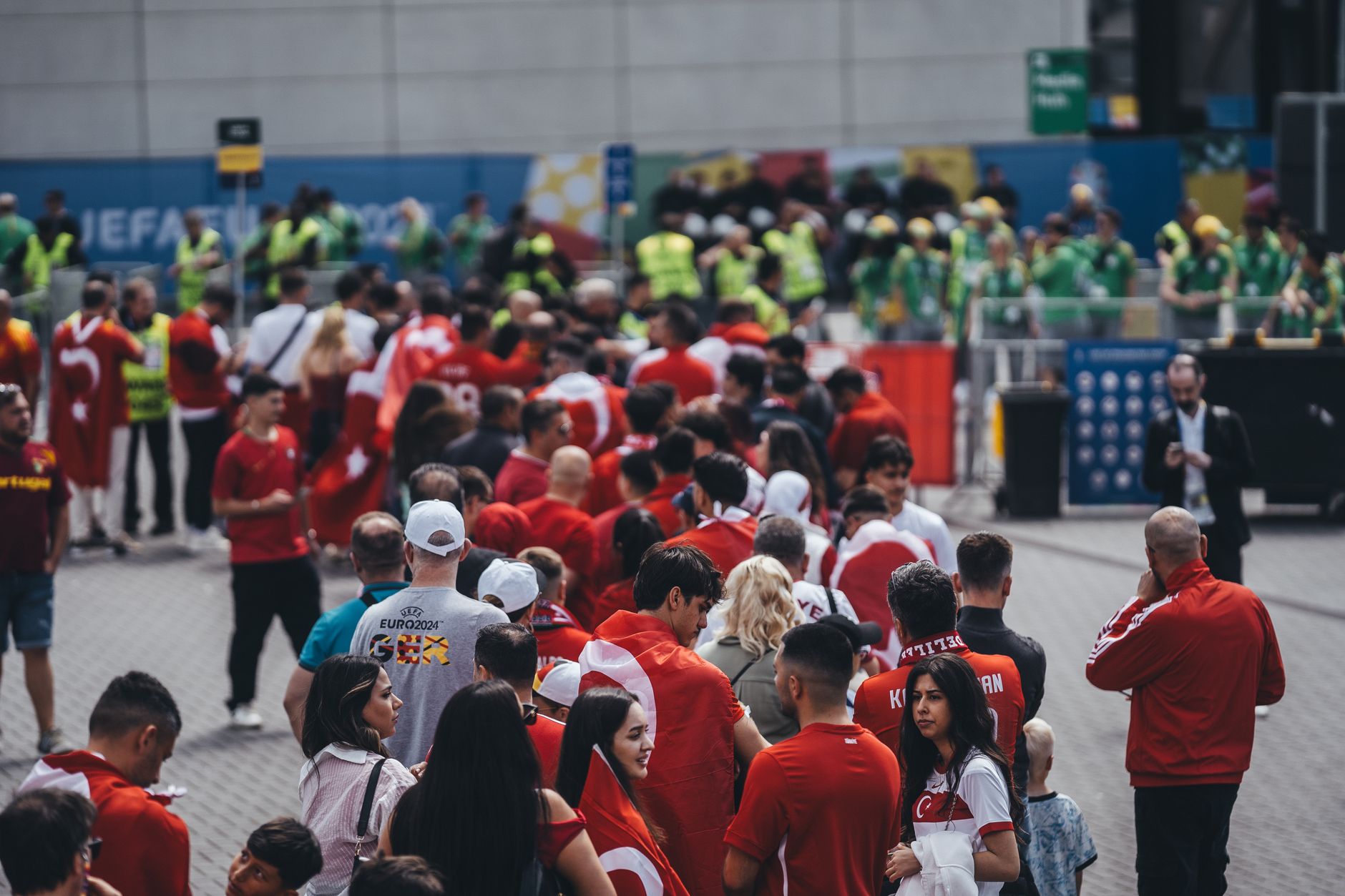
Photo by Omar Ramadan on Pexels
The conclusion is straightforward: Kansas City can deliver one of the most memorable FIFA World Cup 26 experiences if you plan it as a complete system. Stadium access, Fan Festival timing, airport transfers, official verification, and match analysis all influence your day. For bettors, the edge is not louder confidence; it is better evidence, calmer staking, and faster adjustment when facts change. Match Daily will continue tracking team tactics, player statistics, predictions, and tournament coverage so fans can enjoy the spectacle without losing sight of the details that matter.
Get started today with sharper World Cup preparation from Match Daily.
Frequently Asked Questions
Q: What is the 2026 World Cup in Kansas City?
A: The 2026 World Cup in Kansas City refers to Kansas City’s role as a FIFA World Cup 26 host city. The city will support match-day activity around Kansas City Stadium, fan gatherings, airport movement, and the FIFA Fan Festival Kansas City. Fans should monitor FIFA and local host-city channels for confirmed schedules, ticketing, transport, and security updates.
Q: How do I plan a Kansas City World Cup trip?
A: Start by securing official tickets, then book lodging, airport transfers, and match-day transport in that order. Kansas City International Airport connections and stadium routes may require advance reservations or adjusted timing during FIFA World Cup 26. Build at least one backup route and keep official event pages saved offline.
Q: What is the difference between a match ticket and the FIFA Fan Festival?
A: A match ticket grants stadium entry, while the FIFA Fan Festival is a public celebration space for live broadcasts, food, entertainment, and supporter culture. The Fan Festival is useful for travelers without tickets or groups splitting their plans. Always check the daily schedule and entry rules before arriving.
Q: Why does my World Cup betting research fail even when I follow favorites?
A: Betting research often fails when it overweights famous teams and ignores lineups, rest, travel, weather, and tactical matchups. The 48-team 2026 format can create unusual rotation and qualification scenarios. Wait for official team news, compare market movement, and avoid chasing emotional crowd narratives.
Q: How much does it cost to attend the 2026 World Cup in Kansas City?
A: Total cost varies, but fans should budget for tickets, lodging, transport, food, Fan Festival spending, and emergency buffers. Prices can rise sharply near match dates, especially around Kansas City Stadium and central transport routes. Booking refundable lodging early and verifying ticket sources can reduce avoidable losses.
Q: What should I do if transport fails on match day?
A: Switch immediately to your pre-planned backup route and move toward an official pickup point or recognized transit hub. Do not wait until kickoff pressure builds, because road closures and crowd movement can worsen delays. Keep downloaded maps, portable battery power, and a fixed group meeting point ready.
END_OF_DISPATCH
Thanks for reading this article from our archive.