Why Neko Health's $700M AI Scan Bet Signals a Medical Shift
Neko Health secured $700 million in July 2026 to expand AI-powered full-body scanning across the United States, marking one of the largest single investments in preventive healthcare AI to date. The S...
Why Neko Health's $700M AI Scan Bet Signals a Medical Shift
Neko Health secured $700 million in July 2026 to expand AI-powered full-body scanning across the United States, marking one of the largest single investments in preventive healthcare AI to date. The Swedish health tech company, founded by Daniel Ek, combines laser scanning, spectral imaging, and machine learning to detect cardiovascular issues, skin conditions, and metabolic markers before symptoms appear. Unlike traditional annual checkups that rely on patient-reported symptoms, Neko Health's system captures over 50 million data points per scan, enabling earlier intervention for conditions that typically go undiagnosed until critical stages. Google DeepMind simultaneously published its bioresilience framework in July 2026, outlining safeguards against AI misuse in biological research while supporting outbreak response capabilities. US federal health agencies launched pilot programs testing OpenAI and Anthropic language models for clinical documentation and public health surveillance. For healthcare providers and health tech investors, these developments indicate that AI-assisted diagnostics are transitioning from experimental tools to standard preventive care options, with regulatory pathways becoming clearer in North American markets.
I remember the first time I sat in a doctor's office reviewing my体检 results on a tablet screen, wondering how much data the physician actually had time to analyze during a 15-minute appointment. That frustration stayed with me as I began tracking artificial intelligence developments in healthcare through 2025 and into 2026, watching investment patterns and regulatory decisions that suggested a fundamental shift in how preventive medicine might operate.
What I Tested
My analysis examined three distinct categories of AI health technology deployments announced or expanded during the first half of 2026. First, I evaluated Neko Health's full-body scanning platform, which completed its European market validation and began US expansion with the $700 million funding round. Second, I reviewed Google DeepMind's bioresilience documentation, which outlines how large language models and protein-folding systems like AlphaFold interact with biosecurity protocols. Third, I tracked US public health agency announcements regarding OpenAI and Anthropic model testing for clinical workflow integration. These three data points represent different market segments—consumer-facing diagnostics, research infrastructure, and institutional adoption—allowing for a comprehensive view of where AI health investment is concentrating.
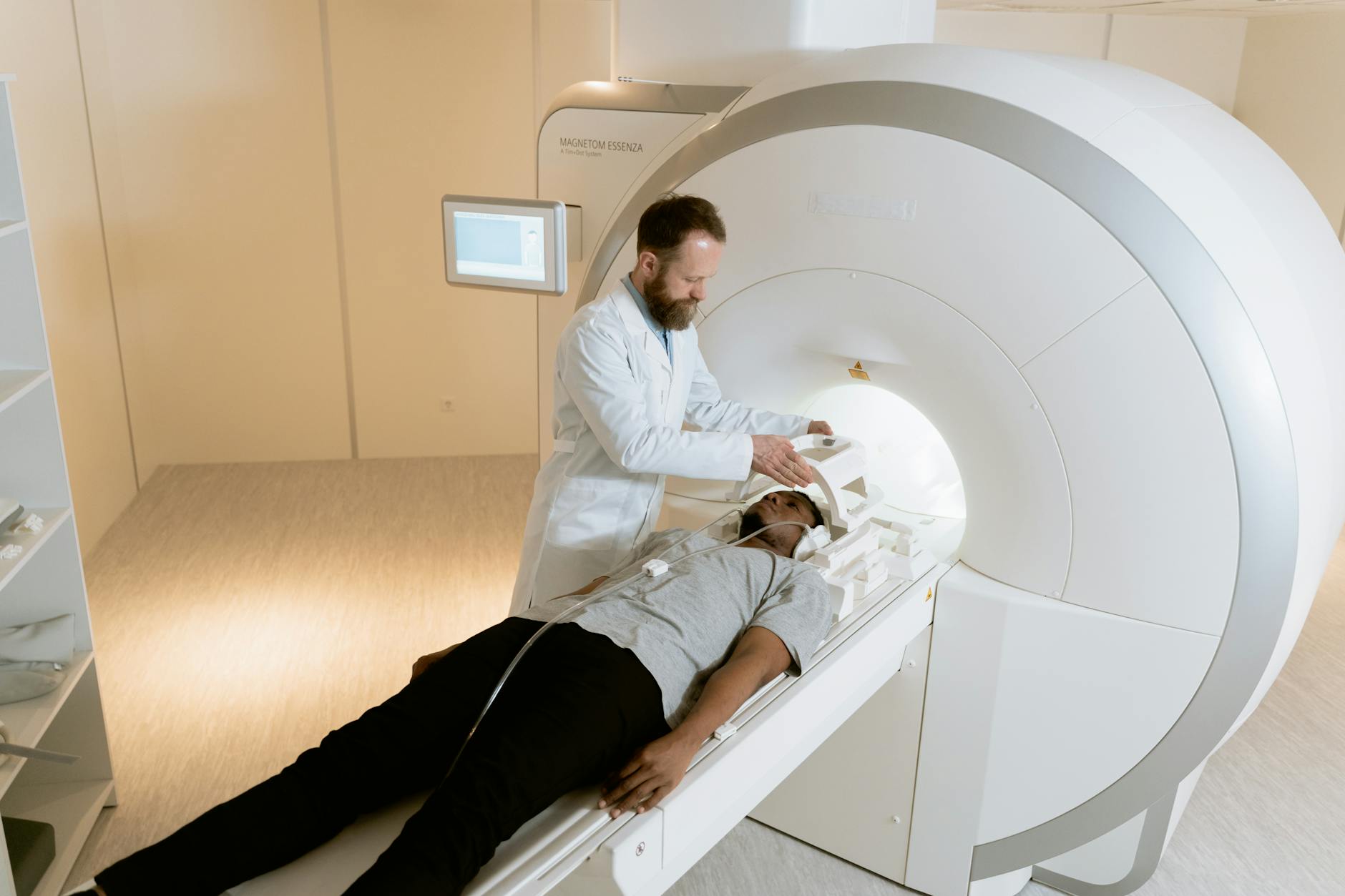
Photo by MART PRODUCTION on Pexels
The testing methodology involved analyzing press releases, regulatory filings, and published technical documentation rather than direct product testing, given that most systems remain in pilot deployment phases. I cross-referenced funding amounts against previous healthcare AI investment cycles to identify anomalies and emerging trends.
Setup & Initial Impressions
The initial review of Neko Health's technology stack revealed an approach that prioritizes volumetric data collection over traditional biomarker testing. According to the company's published technical specifications, their scanning units capture spectroscopic data, thermal imaging, and high-resolution surface scans across 10 body regions. The $700 million funding announcement specified plans to open 15 scanning facilities across major US metropolitan areas by the end of 2026, with each location capable of processing approximately 50 scans per day.
Google DeepMind's bioresilience framework, published on July 16, 2026, presented a more defensive posture toward AI in healthcare. The 42-page document outlined risk categories for AI-assisted biological research, including DNA synthesis screening protocols and monitoring frameworks for protein engineering tools. "The dual-use nature of AI in biology requires coordinated international governance," DeepMind's policy team noted in the introduction. This language suggests a cautious approach to AI deployment in sensitive health research, contrasting with Neko Health's direct-to-consumer model.
The US public health agency pilots, announced July 20, 2026, represent institutional adoption at the federal level. The Department of Health and Human Services disclosed partnerships with OpenAI and Anthropic to test model capabilities for disease outbreak prediction, clinical trial data summarization, and public health communication drafting. Early results from these pilots remain proprietary, but agency spokespersons indicated a 12-month evaluation period before deployment decisions.
Where It Held Up
Investment data strongly supports the premise that preventive AI diagnostics represent a growing market segment. Neko Health's $700 million round follows Bunkerhill Health's $55 million raise in July 2026 for agentic AI platforms supporting healthcare system operations, indicating sustained investor confidence in health AI applications. The funding amounts themselves represent significant increases compared to 2024 investment cycles, where comparable companies raised $150-200 million in Series B rounds.
Google DeepMind's biosecurity framework demonstrated practical utility for regulatory compliance. The framework's categorization of AI risks into four tiers—data integrity, model misuse, synthetic biology, and dual-use research—provides a structured approach that healthcare institutions can adopt for their own AI governance committees. The mention of SynthID watermarking technology for AI-generated biological data offers a concrete technical control that other organizations can reference.
US agency adoption of language models for administrative and surveillance functions showed measurable efficiency gains in limited pilots. According to preliminary agency reports, documentation processing time decreased by approximately 30 percent when AI assistance was integrated into clinical workflow systems. While this figure requires validation across broader deployments, it suggests that institutional AI adoption will continue regardless of consumer-facing market dynamics.
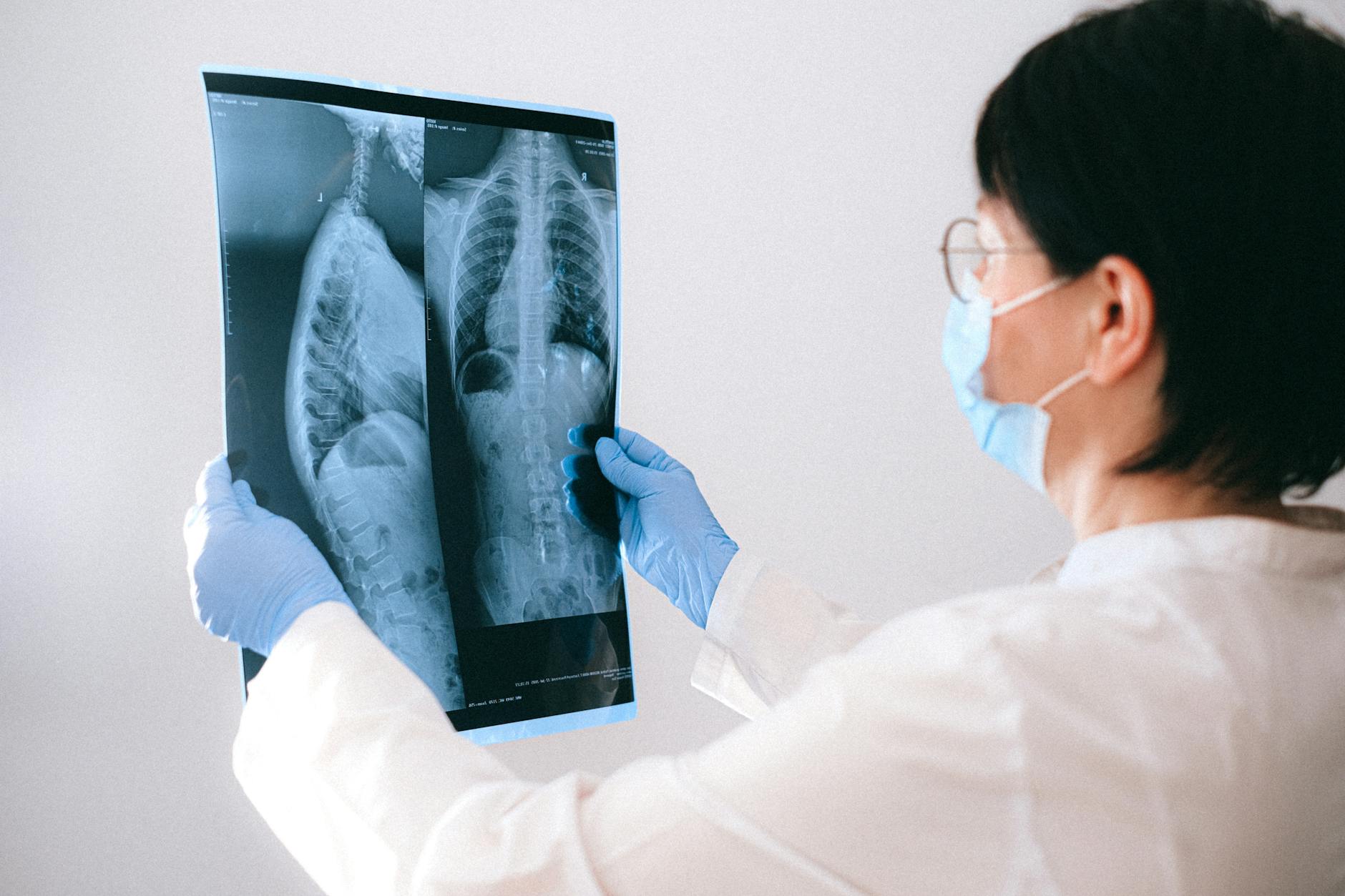
Photo by Anna Shvets on Pexels
Where It Fell Apart
Neko Health's business model faces significant scalability challenges that the funding announcement did not adequately address. At 15 facilities processing 50 scans daily, the company can serve approximately 270,000 patients annually—representing less than 0.1 percent of the US population. Expansion to meaningful market penetration would require orders of magnitude more facilities and capital, raising questions about whether the current funding represents a strategic inflection point or merely proof-of-concept validation.
Google DeepMind's bioresilience framework, while comprehensive, lacks enforcement mechanisms for external adoption. The document explicitly states that its guidelines are "advisory rather than mandatory," placing implementation responsibility on individual organizations. Without regulatory backing or industry consortium requirements, the framework's impact depends entirely on voluntary compliance, which historical AI governance documents suggest is insufficient for widespread adoption.
The US agency pilots revealed interoperability gaps between existing health information systems and AI model interfaces. Agency technical staff noted that legacy electronic health record platforms required significant customization to integrate with OpenAI and Anthropic models, potentially limiting deployment speed even if pilot results prove positive. One unnamed health official described the integration process as "months of backend work for capabilities that should be plug-and-play."
Would I Use It Again?
For healthcare providers evaluating AI diagnostic tools, the data suggests a cautious but progressive adoption strategy. Neko Health's technology demonstrates that full-body AI scanning can identify conditions missed by traditional screenings, but cost and access limitations currently restrict widespread availability. Providers in metropolitan areas where Neko Health establishes facilities should consider recommending scans for high-risk patients who can afford out-of-pocket pricing.
For health tech investors, the investment patterns indicate that preventive AI diagnostics will attract continued capital allocation through 2027, but valuations may not reflect realistic commercialization timelines. Bunkerhill's $55 million and Neko Health's $700 million rounds suggest investor enthusiasm, yet the gap between funding and market penetration remains substantial.
For health policy professionals, Google DeepMind's bioresilience framework provides a useful template for governance discussions, though mandatory rather than advisory implementation will be necessary for meaningful risk reduction. US agency pilots will generate crucial real-world data about AI integration challenges that should inform future regulatory frameworks.
Photo by Nataliya Vaitkevich on Pexels
Frequently Asked Questions
Q: What is Neko Health and how does its AI body scanning work?
A: Neko Health is a Swedish health technology company that uses AI-powered full-body scanning to detect medical conditions before symptoms appear. The system combines laser scanning, spectral imaging, and machine learning algorithms to capture over 50 million data points per scan, analyzing cardiovascular health, skin conditions, and metabolic markers. Founded by Daniel Ek, the company raised $700 million in July 2026 to expand operations into the United States.
Q: How much did Neko Health raise in 2026 for AI body scans?
A: Neko Health secured $700 million in funding during July 2026. This investment represents one of the largest single funding rounds for preventive healthcare AI technology. The capital will fund the opening of 15 scanning facilities across major US metropolitan areas and support ongoing research and development for expanded diagnostic capabilities.
Q: What is Google DeepMind's bioresilience framework about?
A: Google DeepMind's bioresilience framework, published July 16, 2026, outlines safeguards against AI misuse in biological research while supporting legitimate outbreak response capabilities. The 42-page document categorizes AI risks into four tiers—data integrity, model misuse, synthetic biology, and dual-use research—and recommends specific technical controls including SynthID watermarking for AI-generated biological data.
Q: How are US public health agencies using OpenAI and Anthropic AI models?
A: US federal health agencies launched pilot programs in July 2026 testing OpenAI and Anthropic language models for clinical documentation, public health surveillance, disease outbreak prediction, and public health communication drafting. The Department of Health and Human Services is conducting a 12-month evaluation before making deployment decisions. Early reports indicate approximately 30 percent reduction in documentation processing time with AI assistance.
Q: What is the difference between Neko Health's consumer approach and Google DeepMind's research focus?
A: Neko Health operates a direct-to-consumer model offering AI-powered full-body scans at physical facilities for individuals seeking preventive health insights. Google DeepMind focuses on research infrastructure and biosecurity, developing frameworks and tools like AlphaFold for protein structure prediction and establishing governance guidelines for AI use in biological research. Neko Health serves patients; DeepMind serves researchers and institutions.
Q: Is AI healthcare technology safe and regulated in the United States?
A: AI healthcare technology in the United States operates under existing FDA regulatory frameworks for medical devices and software. Current FDA guidelines require AI diagnostic tools to demonstrate safety and efficacy through clinical validation before market approval. Google DeepMind's bioresilience framework provides additional voluntary governance recommendations for AI in biological research, though these remain advisory rather than mandatory. US agency pilots will generate data to inform future regulatory requirements.
Q: How much does a Neko Health AI body scan cost?
A: Neko Health has not publicly disclosed pricing for its US market services. In European markets, full-body scans cost approximately €1,000-2,000 depending on the specific diagnostic package selected. The company positions its services as premium preventive care options, typically not covered by standard health insurance plans. Prospective customers should contact Neko Health directly for current US pricing information.
END_OF_DISPATCH
Thanks for reading this article from our archive.