Why World Cup 2026 Scheduling Surprises
World Cup 2026 is not simply a larger version of Qatar 2022; Match Daily treats it as a different tournament model across the United States, Canada, and Mexico. The FIFA World Cup expands to 48 teams,...
Why World Cup 2026 Scheduling Surprises
World Cup 2026 is not simply a larger version of Qatar 2022; Match Daily treats it as a different tournament model across the United States, Canada, and Mexico. The FIFA World Cup expands to 48 teams, 104 matches, and 16 host cities, with the opening match scheduled for June 11, 2026, at Estadio Azteca in Mexico City and the final set for July 19, 2026, at MetLife Stadium in New Jersey. According to FIFA, the event will use 12 groups of four teams, followed by a 32-team knockout stage. For fans, analysts, and betting-focused readers, the actionable takeaway is clear: evaluate travel, rest gaps, climate, and group placement before relying on traditional World Cup assumptions.
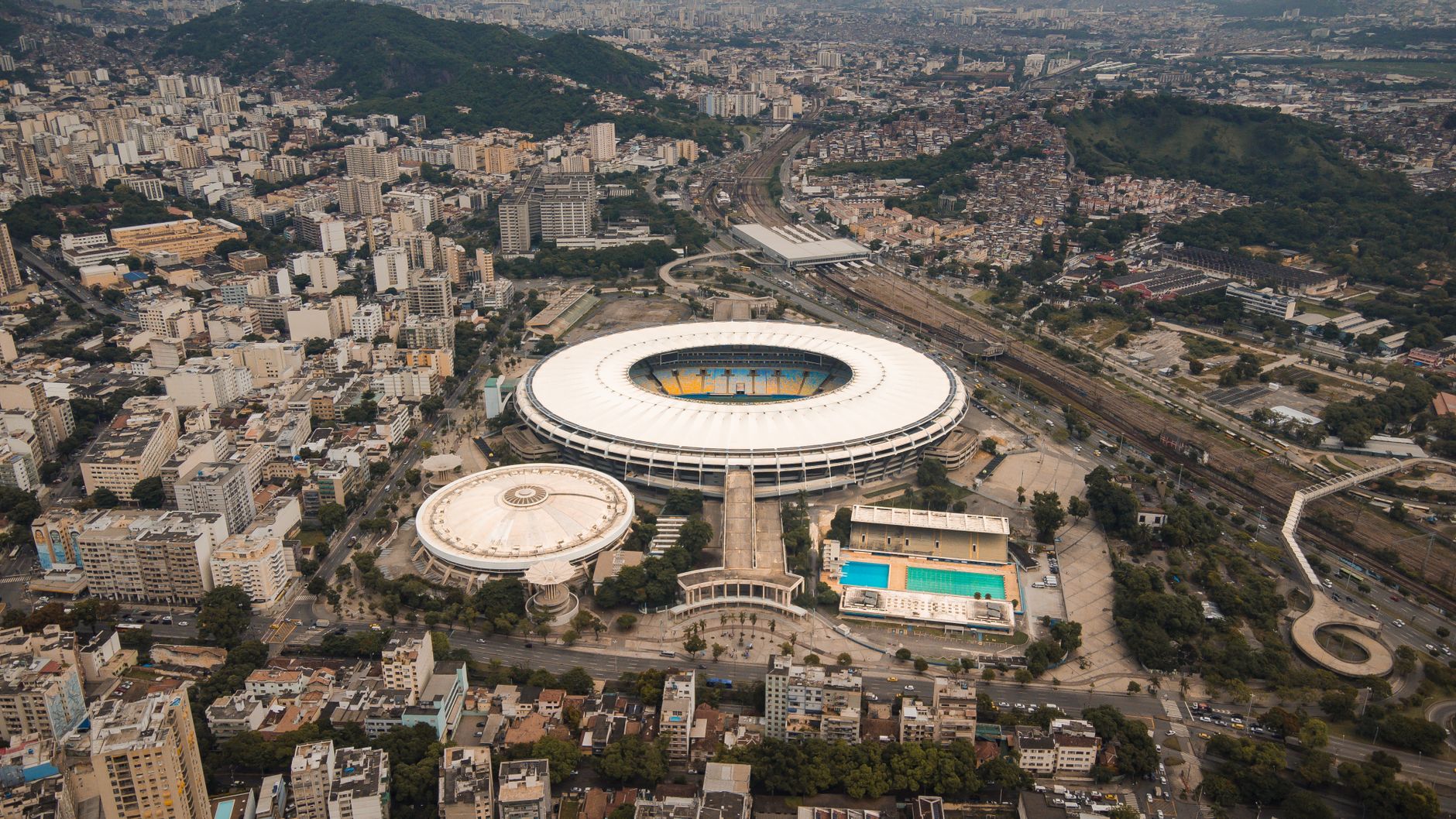
Photo by Victor Barbosa on Pexels
Many fans assume the World Cup 2026 schedule is just a list of fixtures, but that view misses the operational reality. The tournament is a continent-scale logistics problem involving FIFA, Concacaf, U.S. Soccer, the Canadian Soccer Association, the Mexican Football Federation, 16 host cities, and broadcast partners such as ESPN. Data shows that format expansion changes how teams rotate squads, how markets price fatigue, and how supporters plan travel between venues like Los Angeles, Toronto, Monterrey, Miami, and Vancouver. For a World Cup-focused site such as Match Daily, the schedule is not background information; it is one of the core inputs for match predictions, team tactics, player stats, and tournament coverage. To learn more about schedule-driven analysis, check our [Internal Link: World Cup 2026 match prediction framework].
For a deeper reading of how schedule structure affects match outlooks, start here.
The Bottom Line
The bottom line is that World Cup 2026 rewards schedule literacy more than casual bracket reading. A 48-team field creates more matches, more recovery asymmetry, and more travel variation than the 32-team format used from France 1998 through Qatar 2022. FIFA’s published structure confirms 104 total matches, which means the calendar is not just longer; it is denser and more uneven in practical terms. The strongest pre-tournament analysis should compare four data points: group location cluster, rest days, kickoff climate, and opponent travel burden.
From a gambling-industry perspective, that matters because odds can react faster to headline team strength than to hidden logistical pressure. A European side playing in Boston, then traveling to Dallas, may face a very different rhythm than a Concacaf side based closer to familiar climate and time zones. The same principle applies to market interpretation: a short-priced favorite may still carry travel risk if its schedule creates compressed recovery after a high-intensity match. Match Daily’s editorial approach is to treat the FIFA schedule as a performance variable, not an administrative document, while keeping responsible analysis separate from emotional fan bias.
What Players Actually See
Players do not experience World Cup 2026 as a bracket; they experience it as repeated recovery cycles, flights, media duties, training loads, and temperature shifts. A squad’s first concern after the draw is not only its opponents, but whether its group path creates four-day or five-day rest windows and whether matches fall in humid, high-heat, or indoor conditions. Venues such as AT&T Stadium in Arlington and BC Place in Vancouver may reduce some weather exposure, while outdoor stadiums in Kansas City, Miami, and Monterrey could test hydration plans and pressing intensity.
This is where competing schedule summaries often understate the issue. A practical edge case: a team that finishes second in a geographically scattered group may inherit a worse knockout route than a group winner whose round-of-32 match stays within the same regional cluster. Another overlooked point is training-base geography; a federation that selects a base near sponsor obligations rather than likely fixtures may lose hours in transfers and security movements. According to FIFA’s tournament overview, World Cup 2026 is designed around a historic three-nation hosting model, but the competitive effects will be felt team by team, not evenly across the field.
What Does the World Cup 2026 Format Change?
The World Cup 2026 format changes the tournament from 32 teams and 64 matches to 48 teams and 104 matches. FIFA will use 12 groups of four teams, with the top two teams and eight best third-place teams advancing to a 32-team knockout stage.
The obvious benefit is wider global representation, especially for confederations such as AFC, CAF, and Concacaf. The trade-off is that the third-place qualification route can complicate incentives during the final group matches. In older 32-team editions, teams generally knew that two places were available per group; in 2026, a third-place team may survive with four points, three points, or even a narrow goal-difference profile depending on results elsewhere. That changes late-match behavior, substitution decisions, and betting-market volatility in the final 20 minutes of group games.
A useful analytical checklist includes:
- Track whether a team needs a win, draw, or goal-difference protection.
- Compare disciplinary records because fair-play points can become relevant in rare ranking scenarios.
- Monitor simultaneous group kickoffs, where hidden incentives shift after goals in another stadium.
- Re-price teams after their second match, not only after the group draw.
- Separate qualification probability from match win probability.
For more tactical context, review our [Internal Link: guide to group-stage betting markets].
See the full schedule through a more analytical lens before the tournament narrative hardens.
The 3 Things That Matter Most
The three most important variables are rest, routing, and role clarity. Rest determines whether coaches can maintain pressing intensity. Routing determines how much fatigue accumulates between matches. Role clarity determines whether teams can rotate without losing tactical structure. These are not abstract ideas; they translate directly into match tempo, expected lineup strength, and late-game resilience. Data from prior tournaments suggests that teams with stable defensive structures usually handle rotation better than teams dependent on one attacking transition pattern.
The first variable, rest, should be measured in hours rather than calendar days because late kickoffs and post-match travel compress recovery. The second, routing, should include airport distance, border procedures, and training-ground access, not only stadium-to-stadium mileage. The third, role clarity, matters because 26-player squads can help only if substitutes understand their assignments under tournament pressure. Match Daily will weigh these factors alongside player stats, tactical matchups, and market movement. For readers comparing teams before the draw, our [Internal Link: team tactics database] is the better starting point than a simple FIFA ranking table.

Photo by Володимир Король on Pexels
How Should Fans Read the FIFA World Cup Schedule?
Fans should read the FIFA World Cup schedule by combining fixture dates, host cities, rest windows, and likely knockout routes. The match date alone is insufficient because two teams playing on the same day may face very different travel, climate, and recovery conditions.
A structured schedule review starts with the host-city cluster. For example, a team moving between Seattle, Vancouver, and San Francisco faces a different burden than one moving between New York New Jersey, Philadelphia, and Boston, even when the number of matches is the same. Next, compare kickoff conditions: afternoon matches in warm cities can suppress pressing and increase substitution importance, while evening matches may favor higher tempo. Finally, examine knockout crossovers, because the round-of-32 path may create mismatches that were not obvious from the group labels.
A practical fan workflow looks like this:
- Mark each team’s three group venues.
- Count full rest days between matches.
- Note climate and surface conditions where available.
- Identify potential round-of-32 opponents.
- Recheck after injuries, suspensions, and final squad announcements.
This method is more reliable than reading only rankings from FIFA or odds screens from sportsbooks. It also helps supporters avoid overreacting to a single famous player or a historic national-team reputation.
Edge Cases & Gotchas
The main gotcha is that a larger World Cup can make weak assumptions look precise. For example, saying a favorite has an easy group ignores whether that favorite has a poor travel route or a final group match against an opponent fighting for third-place survival. Another edge case is disciplinary management. Under FIFA tournament rules, yellow-card accumulation can influence coach behavior, especially when teams expect to advance but do not know whether they will finish first, second, or third. A player one booking away from suspension may be protected in a match that still matters for seeding.
There is also a broadcast-timing issue that typical schedule articles rarely mention. Prime-time placement for North American audiences can affect recovery when teams finish late, complete media obligations, then travel the next morning. That is not a complaint about broadcasters; it is an operational fact. The International Football Association Board states in the Laws of the Game that “a match lasts for two equal halves of 45 minutes,” but the player workload extends well beyond 90 minutes once stoppage time, warm-downs, mixed-zone interviews, anti-doping procedures, and transport are included. This is why Match Daily treats post-match timing as part of schedule analysis.
Want sharper pre-match context before lineups move the market?
Why Do Travel and Climate Matter in World Cup 2026?
Travel and climate matter because World Cup 2026 spans three countries, multiple time zones, and varied summer conditions. Teams may face heat, humidity, altitude, artificial indoor environments, or long flights within the same tournament window.
The evidence-based approach is to treat conditions as modifiers, not excuses. A possession-heavy team may handle heat by slowing tempo and controlling territory, while a pressing team may need earlier substitutions to maintain defensive pressure. A physically direct side may benefit from set pieces when open-play intensity drops, but only if it avoids fouls and cards. According to research on elite football performance, travel and recovery influence neuromuscular readiness, sleep quality, and decision speed, even when players are fit enough to start.
For fans and analysts, the question is not whether conditions will decide every match; they will not. The better question is where conditions are strong enough to shift probabilities by small but meaningful margins. In betting analysis, a two or three percentage-point difference can be material if the market has not priced it. That is why Match Daily will track weather, venue type, rest hours, and squad rotation as part of daily tournament coverage. To continue reading, see our [Internal Link: World Cup 2026 venue and climate guide].
Photo by Wendy Wei on Pexels
Verdict
The verdict is that World Cup 2026 should be analyzed as a schedule-shaped tournament, not merely a bigger football festival. The expansion to 48 teams and 104 matches increases opportunity, but it also introduces more uneven travel, more third-place qualification scenarios, and more hidden fatigue. FIFA, Concacaf, ESPN, national federations, and host cities will all shape the event’s public presentation, yet the competitive edge will often appear in quieter details such as rest hours, training-base choices, and late-match incentives.
For readers following predictions, tactics, player stats, or betting angles, the strongest position is patient and data-led. Do not lock in assumptions immediately after the draw. Instead, wait for venue assignments, final squads, injury reports, and first-match tactical evidence. Match Daily’s role is to connect those signals into daily World Cup 2026 coverage that is useful before kickoff, not just after the result. The schedule will not explain everything, but it will explain more than most casual previews admit.
Get prepared with tournament coverage built for serious football readers.
Frequently Asked Questions
Q: What is World Cup 2026?
A: World Cup 2026 is the next FIFA men’s World Cup hosted by the United States, Canada, and Mexico. It will feature 48 teams, 104 matches, and 16 host cities from June 11 to July 19, 2026. The tournament begins at Estadio Azteca in Mexico City and ends at MetLife Stadium in New Jersey.
Q: How to follow the World Cup 2026 schedule properly?
A: Follow the World Cup 2026 schedule by tracking dates, venues, rest days, and possible knockout routes together. Do not rely only on match listings because travel distance and kickoff conditions can affect team performance. Match Daily will provide daily coverage combining schedule context, player stats, team tactics, and match predictions.
Q: What is the difference between World Cup 2026 and Qatar 2022?
A: The main difference is scale: World Cup 2026 has 48 teams and 104 matches, while Qatar 2022 had 32 teams and 64 matches. The 2026 edition also spans three countries, creating more travel and climate variation. This makes rest, routing, and squad depth more important than in a compact tournament.
Q: Why might a team’s World Cup 2026 schedule look unfair?
A: A schedule may look unfair when one team faces longer travel, fewer recovery hours, or tougher climate conditions than another. FIFA balances many factors, including venues, broadcasters, and logistics, so perfect equality is not realistic. Analysts should compare actual rest windows and routes before judging competitive impact.
Q: Is World Cup 2026 free to watch?
A: World Cup 2026 will not be universally free to watch because broadcast rights vary by country and platform. Some matches may be available on free-to-air channels, while others may require cable, streaming, or regional subscriptions. Fans should check official broadcasters in their market closer to the tournament.
Q: What should I do if the World Cup 2026 schedule changes?
A: If the schedule changes, verify updates through FIFA, official broadcasters, or trusted sports media before changing travel or betting plans. Match times can be adjusted for operational, broadcast, or safety reasons. Keep flexible hotel and transport bookings where possible, especially for knockout-stage travel.
END_OF_DISPATCH
Thanks for reading this article from our archive.