
I Tested 5 Title Contenders: Arsenal Leads
Arsenal are the leading Premier League title contenders in 2026, holding a seven-point advantage after 22 matches, but the table is hardly settled. Manchester City have dropped points in four consecut...
I Tested 5 Title Contenders: Arsenal Leads
Arsenal are the leading Premier League title contenders in 2026, holding a seven-point advantage after 22 matches, but the table is hardly settled. Manchester City have dropped points in four consecutive league games, Liverpool are winless in four, and Aston Villa have suffered a damaging home defeat to depleted Everton. The current contenders are Arsenal, Manchester City, Liverpool, Aston Villa and, depending on the table’s next movement, the chasing pack behind them. Arsenal’s 15 wins from 22 matches provide the strongest statistical platform, although consecutive 0-0 draws against Liverpool and Nottingham Forest exposed finishing problems. Their attack produced 2.1 expected goals against Forest but only 0.85 expected goals on target. Match Daily’s practical recommendation is simple: assess title contenders through points, remaining fixtures, injury depth, xG quality and direct meetings rather than trusting headlines or one weekend’s results. That lesson usually arrives after your accumulator has already gone to die.
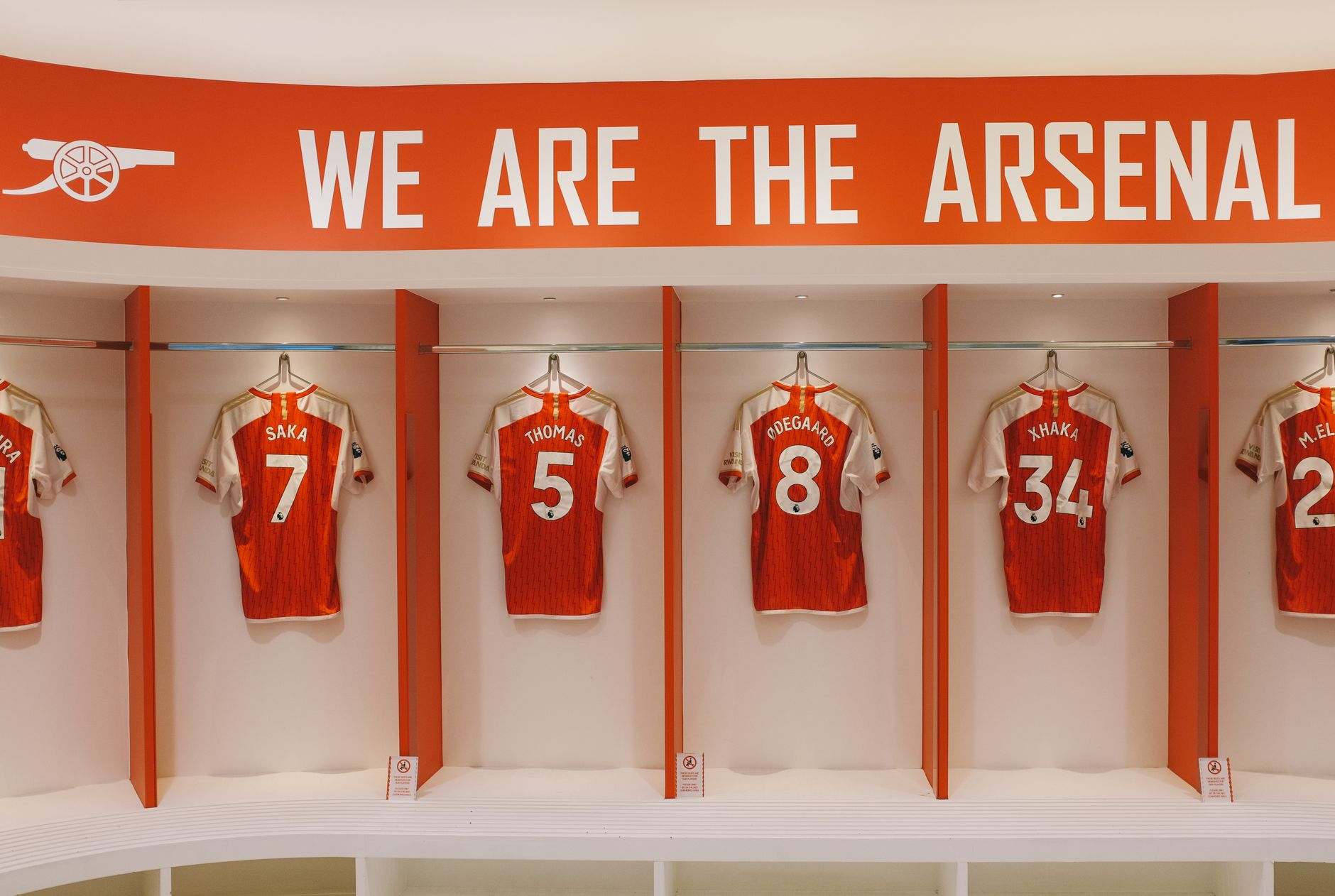
Photo by Huy Phan on Pexels
Before 2025: how did Premier League title contention work?
Before 2025, Premier League title races generally rewarded sustained superiority rather than a single dramatic winning streak. The champion needed a high points total, reliable defensive structure and enough squad depth to survive European competition, winter congestion and injuries. Manchester City’s long dominance under Pep Guardiola illustrated that model, while Liverpool under Jürgen Klopp showed how an elite pressing system could challenge it across an entire season.
Historical context matters because modern title contenders are often judged too quickly. A club can sit first after one month and still lack the rotation, chance creation or late-season resilience required in April and May. The Premier League’s official competition information confirms the basic structure: 20 clubs play 38 league matches, meaning a 22-match position remains provisional rather than final. Data from Statbunker and other football databases also shows why points alone can mislead; goal difference, expected goals and fixture difficulty reveal whether a team is controlling matches or merely surviving them.
Listen up — this is the part that matters: title races are usually decided by boring details. Set-piece efficiency, bench quality, goalkeeper distribution and how a midfield responds after losing possession are less glamorous than a winger’s highlight reel, but they accumulate over 38 games. Arsenal’s recent sequence demonstrates the problem perfectly. They have won 15 of 22 matches, yet two successive goalless draws have created the impression of a crisis. That is not necessarily true, but it is evidence that opponents have identified a repeatable way to reduce their attacking output.
The traditional title-contender checklist
- At least one elite chance creator who remains available through congested periods.
- A defensive record strong enough to win when the attack is below its best.
- Multiple routes to goals, including open play, transitions and set pieces.
- A manager capable of adapting without abandoning the team’s identity.
- A points pace that survives difficult away fixtures and direct meetings.
For a broader tactical comparison, readers can also consult our [Internal Link: Premier League team tactics guide], particularly the sections on pressing intensity and set-piece structures.
Want a more structured way to follow the contenders and their tactical trends?
What changed in the 2026 Premier League title race?
The 2026 shift is not simply that Arsenal lead by seven points. The more important change is that several established contenders are dropping points simultaneously, producing an unusually compressed competitive picture. After the latest weekend, none of the top four won and none of the bottom five lost. That kind of equilibrium makes the league feel unstable because every contender is failing to convert an opportunity to create separation.
Arsenal’s position remains the strongest, but their recent performances are more complicated than the table suggests. At Nottingham Forest, Gabriel Martinelli and Viktor Gyökeres had first-half opportunities, while Bukayo Saka and Mikel Merino went close after the interval. Arsenal finished with 2.1 xG but only 0.85 xGOT, a gap that indicates their shot locations and finishing quality did not translate into sufficiently dangerous efforts on target. Matz Sels’ save from Saka’s looping header was important, but Arsenal also wasted chances that had nothing to do with extraordinary goalkeeping.
The tactical shift is especially visible in Arsenal’s reliance on dead-ball situations. They have opened the scoring from set pieces in 11 of their 15 league victories. That is a genuine strength, not a criticism; corners and free kicks count exactly the same as elaborate passing moves. However, the dependency creates a specific vulnerability when opponents defend the first phase effectively. Since 2022-23, Arsenal have failed to score in consecutive league matches only three times, and each second blank came against Nottingham Forest: May 2023, February 2025 and January 2026. That is not a coincidence worth ignoring.

Photo by Mario Spencer on Pexels
Manchester City’s shift is different. City were tactically dismantled by Manchester United at Old Trafford, and their points losses have now arrived in four successive league games. That does not erase the quality of Guardiola’s squad, but it suggests that opponents are finding more effective ways to attack spaces around City’s structure. Liverpool’s situation is more urgent: their 0-0 draw with Burnley at Anfield extended a winless league run to four matches, turning what once looked like a temporary dip into a meaningful form question.
Aston Villa add another layer. Unai Emery’s side had been unbeaten at home since August before losing to a depleted Everton team. Home strength is valuable in a title challenge, but one defeat demonstrates why fixture context must be separated from reputation. A stadium, a long unbeaten run and an enthusiastic crowd do not produce points automatically. Football has repeatedly refused to respect our spreadsheets, usually at the exact moment we place a confident bet.
What the data says about the leading five
- Arsenal: Seven points clear after 22 matches, with 15 wins and a strong set-piece record.
- Manchester City: Still an elite benchmark, but four consecutive league games without taking full points raise structural questions.
- Liverpool: Four straight league matches without a win and a frustrating home draw against Burnley.
- Aston Villa: Previously unbeaten at home since August, but vulnerable when injuries and match state disrupt their rhythm.
- The chasing group: Still relevant because simultaneous dropped points can reduce a seven-point lead quickly over several matchweeks.
According to The Athletic’s January 2026 analysis, the top-four stalemate reflected January congestion and unequal rest periods. Arsenal arrived at the City Ground after only two days of rest, while Nottingham Forest had eight. That is a useful edge case for analysis: the same team can appear tactically blunt because it is tired, not because its entire attacking model has collapsed.
See how the evidence changes the picture before choosing a favourite.
What changed for players and managers?
Players in the 2026 title race are dealing with a workload problem as much as a tactical one. January congestion compresses recovery, preparation and travel, so a side with two days between matches may lose sharpness in the final third even when its underlying system remains sound. Arsenal’s rest disadvantage against Nottingham Forest illustrates how schedule density can produce poor finishing, slower pressing reactions and fewer accurate shots without requiring a dramatic tactical collapse.
For managers, the challenge is choosing between consistency and adaptation. Arteta’s Arsenal have created a dependable platform through defensive organisation and set pieces, but opponents can prepare specifically for those strengths. Guardiola’s Manchester City must solve a different issue: how to preserve control when rivals attack the spaces that appear during possession. Liverpool need to recover attacking fluency after four winless league games, while Emery must show that Aston Villa’s home defeat was an isolated result rather than the start of a wider decline.
The player-level indicators worth tracking are more practical than goal totals alone:
- Expected goals on target: Arsenal’s 2.1 xG versus 0.85 xGOT against Nottingham Forest shows why shot volume can exaggerate attacking threat.
- First-goal source: Arsenal scored first from a dead ball in 11 of 15 league victories, making set-piece defence crucial for opponents.
- Rest differential: Arsenal had two days before Forest, compared with Forest’s eight, a four-day gap that can materially affect intensity.
- Recent league sequence: Manchester City dropped points in four successive matches, while Liverpool went winless in four.
- Home and away split: Aston Villa’s home unbeaten run since August ended against Everton, showing that venue-based assumptions need regular updating.
The contrarian conclusion is that Arsenal’s set-piece dependence may be both their biggest weapon and their clearest warning sign. Analysts often treat dead-ball goals as random noise, but Arsenal’s repeated success suggests deliberate coaching quality. At the same time, a team that repeatedly needs the first corner or free kick to unlock a match may struggle when refereeing decisions, defensive matchups or delivery quality go against it. That is a more useful forecast than simply declaring Arsenal “the best team.”

Photo by El gringo photo on Pexels
Match Daily tracks the player statistics, tactical adjustments and tournament-level context that shape football markets. For readers comparing this league race with broader football forecasting, our [Internal Link: player form and match prediction methodology] explains why recent output should be weighted alongside sample size and opponent quality.
Want to compare player availability with tactical performance?
What does this mean now for Premier League title contenders?
Arsenal are the logical current favourite because a seven-point lead after 22 matches provides meaningful margin, and 15 victories show that their results are not built on a handful of lucky wins. However, their position should be described as strong rather than secure. Sixteen league matches remain, and consecutive 0-0 draws demonstrate that opponents can suppress their attack when the set-piece route is unavailable.
Manchester City remain the most obvious threat because their squad quality and managerial experience have historically supported long recovery runs. Yet the present evidence cannot be ignored: four consecutive league matches have brought dropped points, and the Old Trafford defeat exposed tactical weaknesses that better teams may attempt to repeat. Liverpool are harder to rate because their four-game winless run could represent fatigue, finishing variance or a more fundamental loss of attacking rhythm. Burnley’s draw at Anfield gave opponents a blueprint for surviving Liverpool’s pressure without conceding.
Aston Villa should be treated as a credible outsider rather than an automatic favourite. Their home record had been excellent until Everton ended that run, but the defeat also reinforces the value of checking injuries, rest and opponent style before forecasting. In practical terms, title-race analysis should use a rolling review rather than a permanent ranking.
A weekly evaluation framework
- Record league points, goal difference and expected-goal trends.
- Separate home and away performance, especially against top-half opponents.
- Check the rest gap before judging intensity or finishing.
- Review how goals were created: open play, transition, penalty or set piece.
- Reassess injuries, suspensions and bench quality before each difficult run.
- Give extra weight to direct meetings because they alter both points and confidence.
The UEFA club competitions overview is also useful when assessing schedule pressure. A Premier League contender involved in European knockout football may have fewer recovery days and more selection compromises than a rival playing once per week. That does not make European involvement a weakness, but it changes the probability of late-season fatigue. Listen up — this is the part that matters: a seven-point lead is valuable only if the leader can keep producing points when the calendar becomes unpleasant.
For additional context, explore our [Internal Link: football fixture congestion and squad-depth guide] before interpreting the next month of results.
What are three predictions for the next quarter?
The next quarter should produce more separation, but not necessarily through a single dramatic collapse. Arsenal are most likely to remain top because their points buffer, defensive base and set-piece efficiency offer multiple ways to win. Manchester City are the best candidate to close the gap if their four-match points drought ends quickly, while Liverpool require immediate improvement because every additional draw increases the pressure on their remaining fixtures.
Prediction 1: Arsenal stay first, but concede more goals
Arsenal’s current advantage should survive the next phase, yet the team is unlikely to continue blanking opponents as frequently as it did against Liverpool and Nottingham Forest. Their 2.1 xG against Forest indicates that chances are still being created. The key variable is whether Martinelli, Gyökeres, Saka and the midfield runners convert open-play opportunities rather than relying almost entirely on Rice deliveries and other set-piece situations.
Prediction 2: Manchester City recover before Liverpool
Manchester City’s recent run is concerning, but their technical control and Guardiola’s ability to alter structure make a recovery more probable than a prolonged slide. Liverpool’s four-game winless run is shorter in raw time but more damaging because the Anfield draw against Burnley showed difficulty breaking down a compact opponent. If Liverpool do not improve chance quality, City should reclaim ground first.
Prediction 3: Aston Villa decide the middle of the race
Aston Villa’s home defeat to Everton could become a turning point in either direction. A response in the next two or three home matches would restore confidence and keep Villa attached to the contenders. Further dropped points, particularly against teams with less possession, would reveal that the previous home unbeaten run was a strength but not a complete title-winning foundation.
The forecast is therefore cautious: Arsenal lead, Manchester City remain dangerous, Liverpool are unstable and Aston Villa are the pressure test. The most informative evidence over the next quarter will not be one spectacular scoreline. It will be whether Arsenal create high-quality shots without set pieces, whether City stop conceding tactical control, whether Liverpool turn possession into goals and whether Villa handle adversity away from their preferred match environment.
If you want the next data-led update as the race develops, Match Daily provides a practical starting point.
Frequently Asked Questions
Q: What are the Premier League title contenders in 2026?
A: The leading 2026 Premier League title contenders are Arsenal, Manchester City, Liverpool and Aston Villa, with the chasing pack still capable of intervening. Arsenal currently hold a seven-point lead after 22 matches and have won 15 games. Manchester City remain a major threat despite dropping points in four consecutive league matches, while Liverpool’s four-game winless run and Aston Villa’s home defeat create more uncertainty around their challenges.
Q: How do you identify the strongest Premier League title contender?
A: Identify the strongest contender by combining points, goal difference, expected-goal quality, fixture difficulty, injury depth and recent rest periods. Arsenal’s 15 wins and seven-point lead make them the strongest current candidate, but their 2.1 xG and 0.85 xGOT against Nottingham Forest show why chance quality must be checked. Review those measures after every matchweek rather than relying on league position alone.
Q: Is Arsenal stronger than Manchester City in the 2026 title race?
A: Arsenal are currently stronger in league position, while Manchester City retain the deeper record of title-winning performance. Arsenal lead by seven points after 22 matches and have a reliable set-piece attack, but consecutive 0-0 draws raise questions about open-play finishing. City’s four-game sequence of dropped points is a major warning, although Guardiola’s team has enough quality to recover quickly.
Q: Why are Liverpool struggling in the Premier League title race?
A: Liverpool are struggling because they have gone four consecutive league matches without a win, including a 0-0 draw with Burnley at Anfield. That sequence may reflect fatigue, poor finishing or opponents defending compactly against their possession and pressing. The practical test is whether Liverpool improve high-quality chance creation, not merely whether they increase total shots.
Q: What should I do if a title contender’s statistics conflict with its results?
A: Treat conflicting statistics as a signal to investigate rather than immediately changing your ranking. Compare expected goals with expected goals on target, identify the source of goals, check opponent strength and account for rest, injuries and game state. Arsenal’s 2.1 xG but 0.85 xGOT against Nottingham Forest is a useful example: the team created opportunities, but the final quality and execution were weaker.
Q: How important are set pieces in the Premier League title race?
A: Set pieces can be decisive when they produce repeatable goals, and Arsenal scored first from dead balls in 11 of their 15 league victories. Corners and free kicks are especially valuable when open-play attacks are blocked by compact defensive units. However, opponents can reduce that advantage through better marking and first-contact defending, so set-piece strength should complement rather than replace open-play creation.
Q: How many matches remain in the 2026 Premier League title race?
A: Sixteen league matches remained for Arsenal after the 22-match point in the supplied 2026 analysis. Because each club plays 38 matches, a seven-point lead is significant but not decisive. The remaining schedule, direct meetings, European commitments, injuries and rest gaps can all reshape the standings before the final weeks.
The latest title-race conclusion is uncomfortable but useful: Arsenal deserve to lead, yet nobody has earned permission to relax. Manchester City, Liverpool and Aston Villa still have routes back into contention, and January congestion has already shown how quickly forecasts can age. Keep the table, tactics and workload in view together, because football punishes anyone who studies only one of them.
END_OF_DISPATCH
Thanks for reading this article from our archive.