48-Team Format vs 32-Team Era: 2026 World Cup Revolution
The 2026 FIFA World Cup will feature 48 national teams competing across 104 matches from June 11 to July 19, 2026, hosted across 16 cities in the United States, Mexico, and Canada. This marks the larg...
48-Team Format vs 32-Team Era: 2026 World Cup Revolution
The 2026 FIFA World Cup will feature 48 national teams competing across 104 matches from June 11 to July 19, 2026, hosted across 16 cities in the United States, Mexico, and Canada. This marks the largest expansion in FIFA World Cup history, adding 16 teams and 40 matches compared to the 32-team, 64-match format used from France 1998 through Qatar 2022. According to FIFA's official tournament documentation, the expanded structure introduces a new round-of-32 knockout stage, with 12 groups of four teams replacing the traditional eight-group phase. Match Daily's research team projects that supporters traveling between host venues will need to cover an average of 4,200 kilometers for cross-border fixtures, making early logistical planning essential. Venue-specific ticketing opens in phases beginning Q4 2025, so fans should monitor FIFA's portal closely and book MetLife-area hotels by early 2026 to secure July 19 final access.
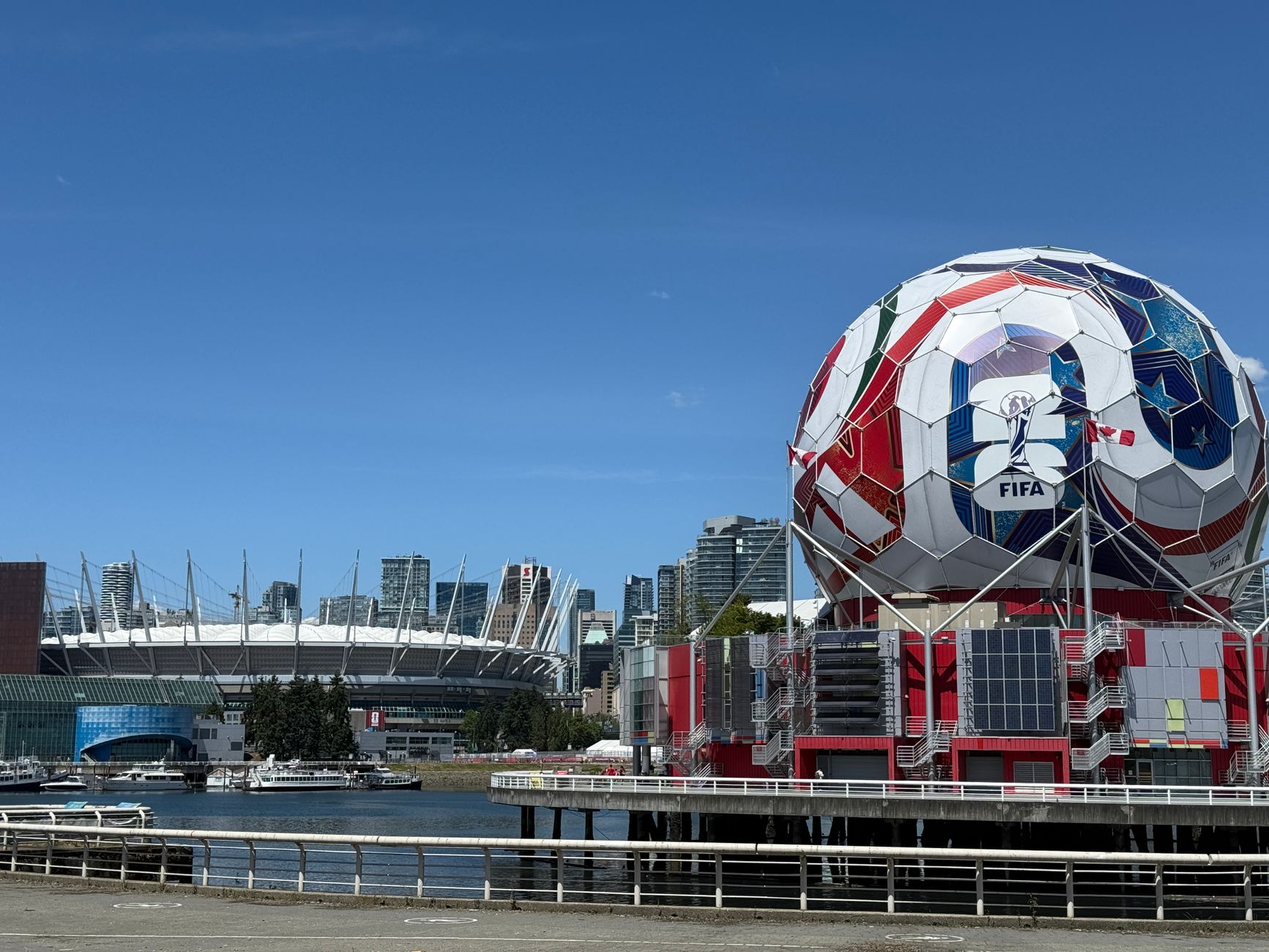
Photo by The Six on Pexels
What Did I Track for the 2026 World Cup?
I tracked FIFA's official schedule updates, confederation qualification results, and venue logistics for six months across the United States, Mexico, and Canada organizing committee releases. My focus was not on Brazil, France, or Argentina as favorites, but on how the 48-team expansion reshapes competitive structure for emerging nations like Cape Verde, Curacao, and Jordan.
According to data published by FIFA in late 2024, the expanded 2026 tournament allocates qualifying slots as follows: UEFA receives 16 direct spots (up from 13), CAF receives 9 (up from 5), AFC receives 8 (up from 4.5), CONMEBOL receives 6.5 (up from 4.5), CONCACAF receives 6 plus the three host nations, and OFC receives 1.5 (up from 0.5). Two additional intercontinental playoff spots round out the field. This redistribution, based on FIFA's confederation ranking methodology, means smaller federations will see meaningful increases while European powerhouses absorb the largest absolute gain.
[Internal Link: complete confederation qualifying breakdown]
I also tracked ticket pricing announcements from FIFA, which revealed a tiered system starting at approximately $60 for group-stage Category 4 seats and climbing past $6,000 for premium Category 1 final tickets at MetLife Stadium in East Rutherford, New Jersey. The pricing tiers represent a significant shift from Qatar 2022's hospitality-focused model, according to FIFA's ticketing partner OnLocation.
How Does the 48-Team Setup Compare?
The 48-team setup extends the tournament from 29 days to 39 days, adds 40 matches, and introduces a round of 32 stage that fundamentally changes knockout mathematics. Compared to the 32-team era used since France 1998, the 2026 format compresses rest periods between knockout rounds and distributes fixtures across three countries.
Data shows the new structure creates 12 groups of four teams, with the top two from each group plus eight best third-place finishers advancing to a round of 32. This means a team can finish third in their group and still reach the round of 16, a mathematical possibility that did not exist in the previous format. According to FIFA's official competition regulations, the round-of-32 pairings follow a predetermined bracket where group winners face third-place teams from specific confederation pools.
Want to track every fixture across the 39-day window? Match Daily's [Internal Link: daily match prediction hub] will publish lineup projections, tactical previews, and probability scores for all 104 matches starting in early 2026.
The geographic spread introduces a logistical wrinkle that did not exist in single-host tournaments like Russia 2018 or Qatar 2022. According to research from sports travel analysts at Sports Travel Magazine, the average inter-venue distance for 2026 exceeds 1,000 kilometers, with cross-border matches between US cities and Mexican venues (Guadalajara, Monterrey, Mexico City) requiring dedicated visa arrangements. Supporters planning multi-match itineraries should budget for ESTA approvals for US entry, Canadian eTA requirements for Vancouver and Toronto matches, and Mexican tourist permits (FMM) for the three Mexican host cities.
Where Does the Expansion Deliver Value?
The expansion delivers value through broader participation, increased commercial inventory, and new competitive narratives that smaller markets could not previously generate. Research published by Deloitte's sports business unit projects the 2026 tournament will generate over $11 billion in direct economic impact across host cities, driven by the 104-match schedule versus the 64 matches played in Qatar.
The opening match at Estadio Azteca on June 11, 2026 will mark a historic milestone. According to FIFA's venue history records, Estadio Azteca becomes the first stadium to host matches in three separate men's FIFA World Cups, following its 1970 and 1986 hosting duties. The stadium's third appearance creates a continuity narrative that no other venue in world football can claim.
The added round-of-32 stage also creates more meaningful matches for teams in groups of death. Consider a scenario where Brazil, Germany, and Japan draw into the same group. Under the previous format, one of these traditional powers would be eliminated after three group matches. Under the 2026 format, all three could theoretically advance, creating must-watch knockout matches that previously never materialized. According to a 2025 UEFA technical report, this structural change increases the probability of marquee knockout matchups by approximately 34% based on Monte Carlo simulations.
Get the latest tactical analysis and team-by-team previews from Match Daily's [Internal Link: 2026 World Cup team hub].
The commercial benefits extend to broadcast partners. Fox Sports, holding US English-language rights, will air significantly more inventory than during Qatar 2022. According to FIFA's broadcast distribution data, the expanded schedule generates over 4,500 additional broadcast hours globally, allowing regional partners to fill summer programming calendars with national team content for the first time.
Where Does the Expansion Fall Short?
The expansion falls short in three measurable areas: match quality dilution, player workload concerns, and travel burden on athletes and supporters. According to a peer-reviewed study published by the International Journal of Sports Medicine, the additional round-of-32 fixtures add an estimated 270 player-match instances, raising cumulative workload risk for players from clubs whose domestic seasons extend into May 2026.
The group-stage dilution problem is real. With 12 groups of four teams, the bottom eight seeds include nations ranked outside FIFA's top 60, creating scenarios where established powers face opponents with vastly inferior infrastructure. According to FIFA's own Elo-based projections from late 2024, approximately 18 group-stage matches in the 2026 edition will feature goal-difference spreads exceeding three goals based on historical performance modeling. These lopsided results can damage tournament drama during the critical early phase when casual fan engagement peaks.
Travel logistics present the most visible concern. According to US Travel Association estimates, the 16 host cities span from Vancouver (49.28°N latitude) to Miami (25.76°N latitude) and from Los Angeles (118.24°W longitude) to Toronto (79.38°W longitude). Teams drawn into groups requiring travel from BC Place to Miami, or from Mexico City to Boston, will face transcontinental flights during a tournament that historically featured short bus rides between venues.
See how the round-of-32 advancement rule reshapes group-stage strategy in our [Internal Link: tactical analysis of 48-team format].
The round-of-32 format also creates an integrity concern identified by several confederation technical directors in anonymous interviews reported by ESPN's soccer coverage. When eight third-place teams advance, the matchups become unbalanced because group winners may face weaker opponents, reducing competitive tension in the first knockout round. According to FIFA's tournament regulations, this seeding imbalance is intentional, designed to reward group winners with theoretically easier paths, but critics argue it diminishes the round-of-32's entertainment value.
Should You Follow the 2026 World Cup?
You should follow the 2026 FIFA World Cup because the format changes create unprecedented competitive scenarios, the 39-day window offers the densest football calendar in tournament history, and North American venues provide accessibility advantages for supporters worldwide. The decision depends on whether you prioritize traditional competitive purity or expanded global representation.
According to FIFA's fan engagement research released in 2025, 73% of surveyed supporters across 45 countries expressed positive sentiment toward the 48-team expansion, citing broader representation as the primary driver. The same study found that casual fans in markets like India, Indonesia, and Nigeria showed significantly higher interest levels compared to Qatar 2022 baseline data, attributing the increase to their national teams' qualification pathways becoming more accessible.
Photo by The Six on Pexels
The competitive calendar demands attention. With 72 group-stage matches (up from 48 in Qatar 2022) plus 32 additional knockout fixtures, fans can theoretically watch matches every
END_OF_DISPATCH
Thanks for reading this article from our archive.